Data and information are the fuel in this digital age, and as much as they are useful, they also have consequences when they are not protected properly. Information such as Personally Identifiable Information (PII) is of very high value, and there’s always someone after your PII such as cybercriminals, advertisement agencies, and even the government. Most of the time, we end up making it easy for people to gain access to our PII, and hence we lose our privacy. This is through oversharing information on social media platforms. In this article, we’ll look at important personal details that you should never share online.
 Your Location
 Your Location
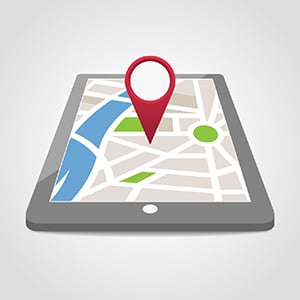
Geo-tagging your location on online posts might seem cool as you get people to know where you are, what restaurant you’ve taken your brunch, what hotel you’re staying, and every other place you have been. But this is a bad idea when cybercriminals and other malicious actors access this information. Location information enables them to track you and even predict your next destination within a certain area. Always turn off your location services when you’re not using them.
 Hints about your passwords
 Hints about your passwords
You might create a strong, unique password but to help you remember it, you might use a hint of what you like most such as your pet’s name. Most of the times you might share posts about your pet doing everything. That’s enough info and a head start for malicious actors on where to start guessing your passwords. To be secure and keep your password private, use passwordless logins or use a password management utility.
Your address, phone, and social security number
Some online services require you to fill in forms with your PII. But before you do that, ensure your connection is secure and that the site is not spoofed. Some services might not require these details, but spoofed sites may require them. Also never share these details on social media platforms. If these details land on the wrong hands, you might have to deal with a serious identity theft situation that can lead to many fraudulent activities and even blackmail.
 Avoid answering Social media quizzes
 Avoid answering Social media quizzes
Aside from not sharing your PII on social media and other online platforms, there are other ways in which you can still give out your private data freely. In social media, it’s through trendy quizzes such as ‘See what car you will own in the future”, “Find out your twin celebrity”, and many more others. This quizzes usually request access to your private data, your friend lists and other PII which can be used to violate your privacy. In wrong hands, malicious actors can use your data to harm you through blackmail and even identity theft.
 Always use a VPN – IPBurger VPN
 Always use a VPN – IPBurger VPN
A VPN gives you an extra layer of security, especially when accessing your social media. A VPN encrypts your internet traffic and tunnels it through a secure server to its destination, and this makes your internet traffic invisible to prying eyes. Through the chosen server, a VPN also assigns you a virtual IP address that masks your real IP address. This hides your actual IP address and your geo-location.