هل سئمت من حظر عناوين IP الذي يعرقل عملياتك؟ استخدم بروكسياتنا السكنية لتبديل عناوين IP بسرعة عالية، أو بروكسيات مزودي خدمة الإنترنت الآمنة لضمان استمرارية الحساب على المدى الطويل.
هذه المقالة موجهة للمطورين ومشغلي الأنظمة الذين يستخدمون المتصفحات «بدون واجهة» لأغراض استخراج البيانات والأتمتة، وليست موجهة لفرق اختبار ضمان الجودة (أدوات مختلفة، ومتطلبات مختلفة). وهي تتناول ما يستحق التثبيت فعليًّا في عام 2026، وما يجب التوقف عن استخدامه، ومكانة فئة المتصفحات الجديدة المضادة للكشف في هذا السياق، والبنية التحتية التي تقع وراء كل ذلك والتي تحدد ما إذا كان برنامج استخراج البيانات الخاص بك سيُنفَّذ حتى النهاية أم سيتوقف عند 30٪.
ما الذي يعنيه مصطلح «المتصفح عديم الواجهة» فعليًّا في عام 2026
توضيح سريع، لأن الكثير من الأدلة تخلط بين الأمرين: لا توجد في الواقع فئة تسمى «Chrome Headless» أو «Firefox Headless» يتم تثبيتها بشكل منفصل. تعمل المتصفحات الحديثة في الوضع «headless» (بدون واجهة مستخدم رسومية) عندما تطلب منها ذلك، وتتم التحكم فيها من خلال إطار عمل للأتمتة. إطار العمل هو ما تختاره؛ أما المتصفح فهو ما يتم تشغيله من خلاله.
لذا، عندما يتحدث الناس في عام 2026 عن «المتصفحات غير المرئية (headless) المستخدمة في استخراج البيانات»، فإنهم يقصدون في الواقع أطر العمل التالية: Playwright أو Puppeteer أو Selenium أو أحد الأطر الأخرى القليلة، حيث يعمل كل منها على تشغيل Chromium أو Firefox أو WebKit في الخلفية. وتكمن الاختلافات في أطر العمل هذه.
الاستثناء هو فئة متصفحات «مكافحة الكشف» — Multilogin وGoLogin وAdsPower وKameleo. فهذه منتجات مستقلة لها بيئة تشغيل خاصة بها، وليست أطر عمل، وهي تندرج ضمن مجال محدد سنناقشه في نهاية المقال.
1. الكاتب المسرحي — الخيار الافتراضي المعاصر
إذا كنت تبدأ اليوم مشروعًا جديدًا في مجال استخراج البيانات، فإن Playwright هو الخيار الصحيح بكل تأكيد. فقد طورته شركة مايكروسوفت، ويخضع لصيانة مستمرة، وأصبح تدريجيًّا الخيار الموصى به بشكل افتراضي في أوساط مجتمع استخراج البيانات منذ حوالي عام 2023.
ما الذي يجعله الخيار الافتراضي:
- متوافق مع جميع المتصفحات بحكم تصميمه. تعمل واجهة برمجة تطبيقات واحدة على تشغيل محركات Chromium وFirefox وWebKit. وهذا الأمر أكثر أهمية في عمليات استخراج البيانات مما قد يبدو — فبعض أنظمة مكافحة الروبوتات تعامل حركة المرور القادمة من Firefox بشكل مختلف عن تلك القادمة من Chrome، وتعد القدرة على التبديل بين المحركات دون الحاجة إلى إعادة كتابة الكود ميزة حقيقية.
- متعدد اللغات. واجهات ربط رسمية لـ JavaScript و TypeScript و Python و Java و .NET. وتتميز واجهات الربط الخاصة بـ Python بقوتها بشكل خاص، وهو أمر مهم لفرق البيانات التي تعتمد على Python كأولوية في سلسلة أدواتها.
- ميزة الانتظار التلقائي المدمجة. أكثر أسباب الفشل شيوعًا في نصوص Puppeteer هي «عدم ظهور العنصر بعد عند محاولة التفاعل معه». ينتظر Playwright حتى تصبح العناصر مرئية وثابتة وقابلة للتفاعل قبل اتخاذ أي إجراء. مما يقلل من عدد النصوص غير المستقرة.
- عزل أفضل لسياقات المتصفح. يمكن لعملية واحدة من Playwright تشغيل أكثر من 10 سياقات معزولة بالتوازي؛ بينما يقترب نموذج Puppeteer من مبدأ عملية واحدة لكل جلسة. ويُعد هذا فرقًا ملموسًا في الكفاءة عند استخراج البيانات من حسابات متعددة أو أهداف متعددة.
- اعتراض أكثر دقة عبر الشبكة. مفيد لاعتراض مكالمات واجهة برمجة التطبيقات (API) التي تُجريها الصفحات في الخلفية — وغالبًا ما يكون ذلك أسهل من تحليل كود HTML المعروض.
برنامج بسيط لاستخراج البيانات من موقع «Playwright» بلغة بايثون:
بايثون
from playwright.sync_api import sync_playwright

with sync_playwright() as p:
    browser = p.chromium.launch(
        headless=True,
        proxy={
            "server": "http://proxy.example.com:8080",
            "username": "USER",
            "password": "PASS",
        },
    )
    context = browser.new_context()
    page = context.new_page()
    page.goto("https://example.com")
    page.wait_for_load_state("networkidle")
    title = page.title()
    content = page.content()
    browser.close()
المناسبة للاستخدام: المشاريع الجديدة، والأهداف التي تعتمد بشكل كبير على جافا سكريبت، وأي شيء يتطلب اختبارًا عبر المتصفحات، وأي شيء متعدد اللغات. هذا هو الإعداد الافتراضي الآمن.
أما في الحالات التي لا ينطبق فيها ذلك: إذا كانت قاعدة الكود الحالية لفريقك تعتمد بشكل كبير على Puppeteer، فقد لا تكون تكلفة الترحيل مجدية.
2. Puppeteer — لا يزال خيارًا معقولًا للأعمال الخاصة بمتصفح Chrome
Puppeteer هو إطار عمل أتمتة المتصفح من Google، وقد تم تطويره في الأصل ليتيح لفريق Chrome وسيلة لأتمتة متصفحهم الخاص. وكان هذا الإطار هو المعيار السائد منذ حوالي عام 2018 حتى بدأ Playwright في تجاوز شعبيته في عام 2023.
لا يزال هذا المشروع يخضع لصيانة نشطة، ولا يزال يحظى بأكثر من 93 ألف نجمة على GitHub حتى عام 2026. وأصبحت الأسباب التي تدعو لاختياره بدلاً من Playwright أقل مما كانت عليه في السابق:
- أنت تعمل في بيئة تعتمد على Node.js حصريًّا، وفريقك منغمس بالفعل في واجهة برمجة تطبيقات Puppeteer
- أنت تقوم بصيانة قاعدة كود حالية لا تستدعي إجراء عملية الترحيل
- كل ما يهمك هو Chrome/Chromium وتريد التحكم في Chrome بأكثر الطرق مباشرةً ودون أي عبء إضافي
- تريد أكبر نظام بيئي للمكونات الإضافية المجتمعية (مع ملاحظة: انظر الملاحظة المتعلقة بـ «stealth-plugin» أدناه)
جافا سكريبت
const puppeteer = require('puppeteer');

(async () => {
  const browser = await puppeteer.launch({
    headless: 'new',
    args: ['--proxy-server=http://proxy.example.com:8080'],
  });
  const page = await browser.newPage();
  await page.authenticate({ username: 'USER', password: 'PASS' });
  await page.goto('https://example.com', { waitUntil: 'networkidle2' });
  const title = await page.title();
  await browser.close();
})();
ملاحظة مهمة بشأن مدى نضارة المنتج: puppeteer-extra-plugin-stealth، المكون الإضافي الذي ظل لسنوات المكون الإضافي القياسي لتفادي كشف الروبوتات باستخدام Puppeteer، تم إيقاف دعمه من قِبل المسؤول عنه في فبراير 2025. ولم يعد يتلقى تحديثات لمواجهة أساليب الكشف الجديدة. إذا كنت تعتمد عليه، فعليك إما الانتقال إلى النسخة التي تحل محله والتي لا تزال قيد الصيانة النشطة (rebrowser-puppeteer، الذي يقوم بتصحيح متجهات الكشف الأساسية على مستوى وقت التشغيل)، أو التبديل إلى Playwright باستخدام نظائر rebrowser-playwright، أو تقبل أن تتدهور قدرتك على التخفي تدريجيًا مع قيام DataDome وCloudflare وغيرها بتحديث أنظمة الكشف الخاصة بها.
المناسبة للاستخدام: قواعد كود Puppeteer الحالية، وعمليات استخراج البيانات التي تقتصر على متصفح Chrome ولا تتطلب التوافق مع متصفحات أخرى.
أما الحالات التي لا ينطبق عليها ذلك فهي: المشاريع الجديدة (يُعد «Playwright» عادةً نقطة انطلاق أفضل)، وأي شيء يتطلب استخدام Firefox أو WebKit، وأي شيء متعدد اللغات.
3. Selenium — الخيار التقليدي الذي لا يزال فعالاً
يعود تاريخ Selenium إلى ما قبل كل من Puppeteer وPlaywright بأكثر من عقد من الزمن. وفي عام 2026، لا يزال هذا البرنامج موجودًا، ولا يزال قيد التطوير النشط (Selenium 4 هو الإصدار الرئيسي الحالي)، ولا يزال هو الخيار الافتراضي في بعض السياقات المحددة.
أسباب استخدامه:
- دعم لغات البرمجة على أوسع نطاق. جافا، بايثون، سي#، روبي، جافا سكريبت، كوتلين — أي لغة تدعم واجهة برمجة تطبيقات Selenium WebDriver.
- سلاسل أدوات الاختبار المؤسسية التي تدمج «Selenium» منذ سنوات. ولا يزال عالم اختبار ضمان الجودة يعتمد بشكل كبير على «Selenium».
- التنفيذ المتوازي القائم على الشبكة. كان «Selenium Grid» الحل الأصلي لتشغيل الاختبارات بشكل متوازٍ عبر العديد من المتصفحات والأجهزة؛ وهو حل ناضج.
- التوافق مع البنية التحتية للاختبار المدفوعة. تدعم كل من BrowserStack وSauce Labs وLambdaTest والخدمات المماثلة لغة Selenium بشكل أصلي (كما أن معظمها يدعم Playwright الآن أيضًا).
بايثون
from selenium import webdriver
from selenium.webdriver.chrome.options import Options

options = Options()
options.add_argument("--headless=new")
options.add_argument("--proxy-server=http://proxy.example.com:8080")

driver = webdriver.Chrome(options=options)
driver.get("https://example.com")
title = driver.title
driver.quit()
المجالات المناسبة: بيئات ضمان الجودة في المؤسسات، والنظم اللغوية التي لا تتوفر فيها روابط Playwright، والتكامل مع البنية التحتية لـ Selenium Grid.
أما في الحالات التي لا ينطبق فيها ذلك: مشاريع الاستخراج الجديدة. يُعد «Selenium» أكثر تفصيلًا وأبطأ وأقل فعالية في مقاومة الكشف مقارنةً بـ«Playwright». وعادةً ما يكون اختيار «Selenium» لأغراض الاستخراج في عام 2026 نابعًا من القصور الذاتي، وليس قرارًا تقنيًّا.
4. فروع «ستيلث» التي تم إصلاحها — rebrowser-puppeteer و rebrowser-playwright
من الجدير بالذكر أن هذه فئة مستقلة بذاتها. بعد أن أصبح المكون الإضافي الأصلي الخاص بالخفاء غير مستخدم، اتفق المجتمع على rebrowser مشروع — نسخ مُشتقة من Puppeteer وPlaywright تخضع لصيانة نشطة وتُجرى عليها تصحيحات أثناء التشغيل، وقد صُممت خصيصًا للتغلب على أنظمة الكشف الحديثة عن البوتات من خلال معالجة نقاط الضعف الأساسية التي تستغلها أنظمة الكشف (التعرف على البصمة المستندة إلى CDP، وتسربات سياق التقييم أثناء التشغيل) بدلاً من اللجوء إلى تقنية «monkey-patching» على مستوى JavaScript.
إذا كنت تقوم بعمليات استخراج بيانات مكثفة ضد أهداف محمية جيدًا، ولم تكن عناوين IP الخاصة بك كافية وحدها، فهذه هي الحلول التي ستلجأ إليها. قم بتثبيتها كبدائل جاهزة للاستخدام:
bash
npm install rebrowser-puppeteer
# or
pip install rebrowser-playwright
واجهة برمجة التطبيقات (API) هي نفسها؛ لكن ملف تعريف الكشف أفضل بشكل ملحوظ.
المناسبة: استخراج البيانات من المواقع التي تستخدم أنظمة متطورة للكشف عن الروبوتات (Cloudflare Enterprise، DataDome، PerimeterX، Akamai)، حيث يتم رصد استخدام Playwright أو Puppeteer في صيغتهما الأساسية.
أما في الحالات التي لا ينطبق فيها ذلك: الأهداف البسيطة التي تفتقر إلى دفاعات ذات شأن — فهذا يُعد إفراطًا في القوة، ويزيد من عبء الصيانة.
5. متصفحات مقاومة للكشف — عندما تحتاج إلى عزل حقيقي على مستوى المتصفح
هناك فئة مختلفة تتداخل مع هذه الفئة من المستخدمين، لكنها تعالج مشكلة مختلفة. أدوات مثل Multilogin وGoLogin وAdsPower وKameleo وIncogniton ليست أطر عمل للأتمتة — بل هي منتجات متصفح كاملة تُنشئ ملفات تعريف متصفح معزولة وقابلة للتخصيص من حيث «بصمة المتصفح»، مصممة لأغراض العمل المشروع باستخدام حسابات متعددة.
يمكنك استخدام هذه الأدوات بدلاً من (أو إلى جانب) Playwright/Puppeteer في الحالات التالية:
- يجب أن تبدو كل جلسة استخراج بيانات وكأنها هوية مستخدم متميزة تمامًا. ويجب أن تتضمن بصمة لوحة الرسم (canvas fingerprint) وتوقيع WebGL ومجموعة الخطوط والمنطقة الزمنية ودقة الشاشة المختلفة — وليس مجرد ملفات تعريف ارتباط مختلفة.
- أنت تدير عمليات متعددة الحسابات (إدارة وسائل التواصل الاجتماعي نيابة عن وكالة، والتجارة الإلكترونية عبر متاجر متعددة، والتحقق من الإعلانات عبر الحسابات المختلفة) حيث قد تؤدي بصمات المتصفح المشتركة إلى ربط هذه الحسابات ببعضها البعض.
- لا يقتصر الكشف عن الهدف على التمييز بين الروبوتات والبشر فحسب، بل يشمل أيضًا محاولة ربط الجلسات عبر الحسابات أو الزيارات.
تدعم معظم المتصفحات المضادة للكشف الأتمتة عبر Puppeteer أو Playwright (أو حزم أدوات التطوير الخاصة بها)، مما يتيح لك التحكم فيها برمجياً — لتحقيق كل من عزل البصمة الرقمية وإمكانية البرمجة.
المجالات التي تناسبها: العمليات التي تشمل حسابات متعددة، والأهداف المتطورة التي تقوم بالتعرف على البصمات الرقمية بشكل مكثف، والسيناريوهات التي تكتسب فيها هوية المستخدم على مستوى الجلسة أهمية كبيرة.
أما في الحالات التي لا ينطبق فيها ذلك: عمليات الاستخراج البسيطة التي لا تتطلب سوى جلب الصفحات وتحليلها — فهي مبالغة في الاستخدام.
ما الذي يجب التوقف عن استخدامه
هناك بعض الأدوات التي لا تزال تُوصى بها في المقالات القديمة، لكن لا ينبغي أن تبدأ بها مشاريع جديدة:
- PhantomJS — تم التخلي عنه منذ مارس 2018. لا توجد تحديثات ولا تصحيحات أمنية. تجنبه.
- Splash — لا يزال يعمل، لكن إدارة ScrapingHub قد انتهت وانتقل المجتمع إلى مشاريع أخرى.
- HtmlUnit — لا يزال موجودًا، لكنه لا يعمل بشكل جيد مع لغة جافا سكريبت الحديثة. يُستخدم فقط في تطبيقات قديمة متخصصة.
- CasperJS — مبني على PhantomJS، وقد تم التخلي عنه أيضًا.
- NightmareJS — كان آخر إصدار رئيسي له في عام 2018. يعتبر مشروعًا منتهي الصلاحية فعليًّا.
- النص الأصلي
puppeteer-extra-plugin-stealth— تم إيقاف استخدامه في فبراير 2025. يرجى التبديل إلى rebrowser-puppeteer.
إذا كان أي دليل تعليمي تقرأه يوصي بهذه الخيارات باعتبارها خيارات حالية، فإن الدليل نفسه قد عفا عليه الزمن.
كيفية الاختيار
شجرة القرار، بشكل مبسط:
- مشروع جديد، أهداف يتم عرضها باستخدام JavaScript، ولا توجد استثمارات سابقة؟ → Playwright. هذا هو الخيار الافتراضي الآمن لـ 90% من أعمال استخراج البيانات الجديدة في عام 2026.
- هل تحتاج إلى دعم عبر المتصفحات المختلفة؟ → Playwright. دعم Puppeteer لمتصفح Firefox محدود.
- قاعدة كود Puppeteer الحالية، هل الهدف يقتصر على Chrome فقط؟ → استمر في استخدام Puppeteer. لا توجد حاجة ملحة للانتقال إلى Playwright.
- هل تستهدف مواقع تتمتع بقدرات متطورة للكشف عن الروبوتات (Cloudflare، DataDome، PerimeterX)؟ → استخدم Playwright أو Puppeteer مع النسخة المعدلة من «rebrowser» (stealth fork)، بالإضافة إلى بروكسيات سكنية. لا تحاول مواجهة جدران الحماية WAF الخاصة بالمؤسسات باستخدام الإعدادات الافتراضية للأطر البرمجية القياسية.
- عملية متعددة الحسابات أم حساسة لهوية الجلسة؟ → متصفح مضاد للكشف (Multilogin، GoLogin، AdsPower) يقوم بتشغيل عمليات الأتمتة عبر Playwright أو حزمة SDK الخاصة به.
- هل أنت عالق في بنية أساسية لضمان الجودة تعتمد على Selenium؟ → استخدم Selenium، مع إدراك أنه خيار قديم وأنك ستبذل جهدًا أكبر في التمويه.
- هل فريقك لا يستخدم البرمجة أو لا يحتاج إلى خبرة هندسية كبيرة؟ → خدمات الاستخراج المُدارة (ScrapFly، Apify، Web Unlocker من Bright Data) تتولى إدارة طبقة المتصفح نيابة عنك. تكلفة أعلى لكل استعلام؛ دون أي عبء على البنية التحتية.
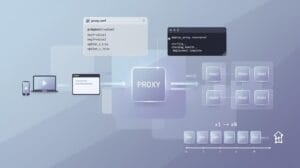
طبقة الوكيل
المتصفح عديم الواجهة وحده لا يكفي لتجاوز الجزء الصعب. فأي هدف جاد لجمع البيانات في عام 2026 سيقوم أولاً بتحديد البصمة الرقمية وتقييد معدل الطلبات بناءً على عنوان IP، ثم بناءً على خصائص المتصفح في المرتبة الثانية. وحتى أكثر الإعدادات نظافةً التي تجمع بين Playwright و«rebrowser-stealth» مع بصمة رقمية عشوائية تمامًا ستصطدم بحاجز سريعًا إذا كانت كل الطلبات تأتي من عنوان IP واحد لمركز البيانات نفسه.
التركيبة التي تُحقق النتائج المرجوة فعلاً:
- عناوين IP سكنية أو تابعة لمزودي خدمات الإنترنت (ISP) لأي هدف مزود بآليات دفاع حقيقية ضد البوتات. يتم الإبلاغ عن مركز البيانات على الفور من قِبل Cloudflare وDataDome وPerimeterX والأنظمة المماثلة.
- جلسات ثابتة لأي سير عمل يتضمن تقسيم الصفحات أو يحافظ على الحالة. يؤدي تغيير عناوين IP أثناء عملية تقسيم الصفحات إلى تعطيل رموز المؤشر ويبدو أمراً مريباً.
- التناوب لكل طلب في عمليات الاستخراج المتوازية ذات الحجم الكبير، حيث يكون كل طلب مستقلاً عن الآخر.
- الاستهداف الجغرافي الذي يتوافق مع الجمهور المستهدف للمحتوى. فقد كان أحد مواقع التجارة الإلكترونية الأمريكية يعرض محتوى مختلفًا للزوار القادمين من البرازيل مقارنةً بالزوار القادمين من تكساس؛ لذا يجب أن يكون برنامج استخراج البيانات الخاص بك موجودًا في البلد (أو المدينة) الصحيح ليرى ما تريد رؤيته.
يعد تكوين الخوادم الوكيلة باستخدام الأطر الرئيسية أمرًا بسيطًا — فكل مثال برمجي في هذا المنشور يوضح ذلك بالفعل. أما المشكلة الأصعب فهي الحصول على عناوين IP نظيفة بما يكفي لتتجاوز فعليًّا أنظمة الكشف.
تتناسب بروكسيات IPBurger السكنية وبروكسيات مزودي خدمة الإنترنت (ISP) مع هذه الطبقة — عناوين IP نظيفة، وجلسات ثابتة، واستهداف على مستوى البلد والمدينة، وهي مصممة لنوع الاستخراج باستخدام المتصفح غير المرئي الذي يحتاج إلى أن يبدو وكأنه مستخدمون حقيقيون. وينطبق المبدأ الأوسع نطاقًا بغض النظر عن المزود: عند الأحجام المهمة، تحدد طبقة البروكسي ما إذا كان برنامج الاستخراج الخاص بك يعمل من البداية إلى النهاية أم يتعطل. اختيار إطار العمل مهم؛ لكن البنية التحتية هي التي تجعل اختيار إطار العمل هذا يعمل فعليًّا.
رصيد مبدئي معقول لعام 2026
إذا كنت بصدد بدء مشروع جديد لاستخراج البيانات اليوم:
- الإطار: Playwright (بايثون أو Node، الخيار لك)
- طبقة التخفي: rebrowser-playwright إذا كان الهدف يتمتع بدفاعات قوية؛ وإلا فسيتم استخدام Playwright العادي
- الخوادم الوكيلة: سكنية أو تابعة لمزود خدمة الإنترنت (ISP)، مع جلسات ثابتة حيثما يتطلب سير العمل ذلك
- متصفح مضاد للكشف: استخدمه فقط إذا كنت تعمل على حسابات متعددة؛ وتجاهله في الحالات الأخرى
- المراقبة: تسجيل كل طلب ورمز الاستجابة؛ إعداد تنبيهات عند انخفاض معدل النجاح
- وتيرة التحديث: تحديث التبعيات شهريًّا؛ فسباق التسلح يسير بخطى سريعة
القرارات الأكثر أهمية في هذه السلسلة لا تتعلق عادةً بـ«أي إطار عمل» — فـ«Playwright» هو الخيار الصحيح في معظم الأحيان — بل بـ«أي شبكة بروكسي» و«إلى أي مدى أحتاج إلى تجنب الكشف». إذا اتخذت القرارات الصحيحة، فسيعمل برنامج الاستخراج بشكل جيد. أما إذا أخطأت في اتخاذها، فستقضي ثلاثة أسابيع في تصحيح أخطاء البرنامج النصي التي هي في الواقع مشكلات تتعلق بعنوان IP.
تتوقف قوة أعمالك على مدى وقت تشغيل البروكسي الخاص بك. انتقل إلى بروكسيات ISP الثابتة المخصصة للأعمال للحصول على سرعات مخصصة وموثوقية لا تتزعزع. أو قم بنشر بروكسيات سكنية متناوبة وحقق معدل نجاح في استخراج البيانات يبلغ 99.9%.